
Generations after
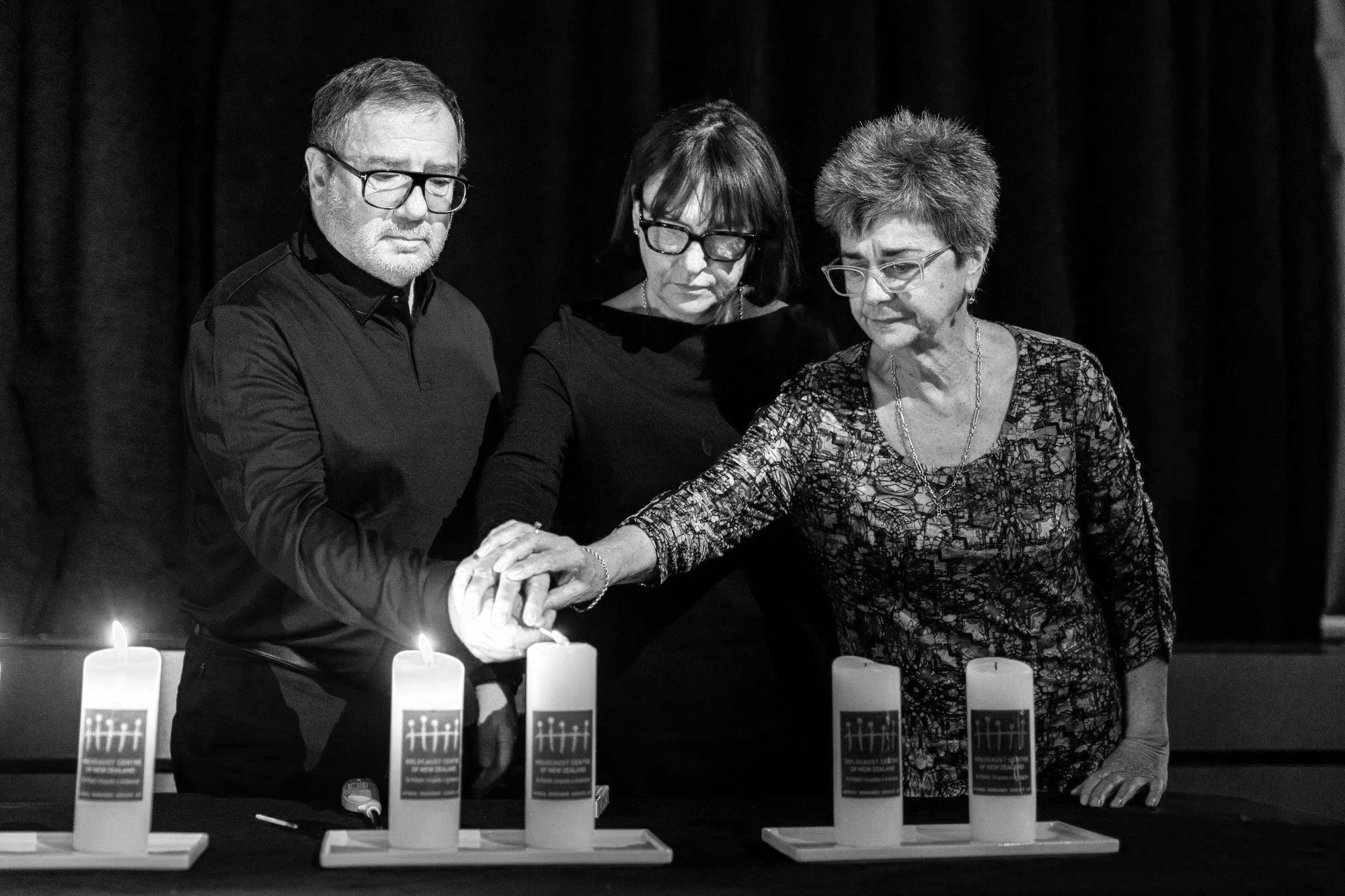
Generations after: the living memory
The impact of the Holocaust does not end with the survivors; it continues through their children, grandchildren, and great-grandchildren.
The Generations After network provides a supportive space for the children (second generation) and grandchildren (third generation) of Holocaust survivors and refugees to connect, share experiences, and preserve their families' legacies.
Connect nationally
Descendants of Holocaust survivors meet to discuss their family histories and the unique experience of "intergenerational memory." These discussions explore how the trauma and resilience of the Holocaust have shaped the identities of subsequent generations of New Zealanders.
Auckland’s second-generation group
Established in 1994 with a network of over 100 members nationwide. Meeting every 6 weeks in person or via Zoom, the group is open to anyone whose parents were impacted by the Holocaust or fled Europe as a refugee between 1933–1948.
Co-leaders: Naomi Johnson and Lilla Wald
Email Auckland group: akldsecondgen@orcon.net.nz
Wellington’s second-generation group
Formed in 2018, this fast-growing group of over 70 members meets bi-monthly. It provides a welcoming forum to discuss the unique upbringing of being raised by survivor or refugee parents
Coordinator: Irene Buxton
Email Wellington Group: info@holocaustcentre.org.nz
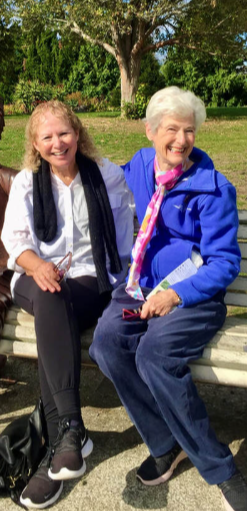
Irene Buxon (left) and Naomi Johnson.
Personal testimonies
Featured in the anthology: Mixed Blessings: New Zealand Children of Holocaust Survivors Remember
Edited by Debbie Knowles, 2003. Published by Tandem Press.
A foundational piece of our local second-generation history, this moving anthology brings together nineteen chapters from descendants across Auckland and Wellington. By pairing personal histories with cherished family recipes, the book beautifully illustrates how culture, memory, and resilience are passed down through families. Mixed Blessings stands as a powerful, collective act of bearing witness—honouring the legacy of those we lost, while celebrating the strength of the survivors who built new lives in Aotearoa.
Find a copy online:
Deborah Knowles’ personal account of what second-generation identity and being part of the group means to her
Deborah offers an analytical yet deeply personal reflection on what it means to inherit a traumatic legacy.
Deborah Knowles’ personal family reflections
Summary: Deborah shares reflections on her father, Holocaust survivor Joseph Grossman. Her account shifts from standard family history to explore the shared emotional traits, creative outlets, and unique psychological boundaries that define the 2G community in New Zealand.
Hannah Brodsky-Anzer
The 2G perspective: Growing up in the shadow of unspoken family trauma and the journey to piece together a fragmented past.
Summary: Hannah’s poignant account explores life as a child of survivors who carried deep, silent psychological scars. Her narrative captures how the Holocaust subtly permeated her everyday upbringing – through family silences and missing relatives – and chronicles her adult quest to reconstruct her family’s pre-war history and define her own identity as a descendant.
Claire Bruell (on Frank and Alice Briess)
The 2G perspective: Honouring a legacy of survival by preserving the detailed history of a family's narrow escape and post-war resilience.
Summary: Claire documents the harrowing journey of her parents, Frank and Alice Briess, who fled Czechoslovakia just as Nazi control tightened. Her account focuses on the immense challenges they faced adapting to a new life in New Zealand, the pain of losing extended family to the death camps, and her own dedicated effort as a second-generation descendant to ensure their survival story is accurately recorded for future generations.
Naomi Johnson (on Hans Johnson)
The 2G perspective: Naomi shares her late father Hans Johnson’s story, fleeing Berlin for London days before Kristallnacht and later settling in New Zealand. Naomi continues to honour his legacy as co-leader of Auckland’s second-generation group.
Summary: Hans Johnson (originally Jottkowitz) escaped Nazi Germany in 1938. Hans was one of fewer than 1,500 Jewish refugees admitted to New Zealand. While Hans rebuilt his life, his parents tragically perished in Auschwitz.
Ian Morrison
The 2G perspective: Inherited resilience: A second-generation son finds his father’s legacy in the mirror.
Summary: Written in the quiet stillness of an airport transit lounge, Ian Morrison’s poignant reflection begins with a single poem sparked by the death of his father, a Polish-Jewish Holocaust survivor. Looking in the mirror each morning, Ian discovers that he has inherited far more than sorrow: he carries his father's fierce resilience, moral code, and the haunting memory of family lost in the Shoah. This deeply moving story weaves together intergenerational trauma, personal catharsis, and historical memory, offering a captivating look at how our ancestors shape who we become.
Diana Wichtel
The 2G perspective: Confronting the painful mystery of a father's survival, his subsequent disappearance, and the enduring search for truth.
Summary: Diana is an award-winning New Zealand journalist and author who recounts in her book Driving to Treblinka, a deeply personal quest to uncover the fate of her father, a Polish Jew who survived the Holocaust but was left permanently shattered. Her narrative focuses on the devastating impact of his trauma on their family life and her lifelong journey to trace his final years, offering a profound look at the generational echoes of loss.
The descendant community continues to shape New Zealand’s cultural landscape through literature, academic research, art, and public addresses.