The Legacies Project
The Holocaust is not just found in history books; it is etched into the geography of our towns and cities.
Our Legacies Project, in partnership with HUMAP from the UK, is an interactive digital initiative that maps the stories of survivors and their families across New Zealand.
Using personal testimonies and artifacts like diaries, photos, and documents, along with audiovisual material, this innovative tool allows people to explore the specific locations where survivors lived and worked and how they journeyed to New Zealand. You can see how they contributed to Kiwi society, making history visible in their own backyards.
Central to the Legacies Project is a structure of records and collections.
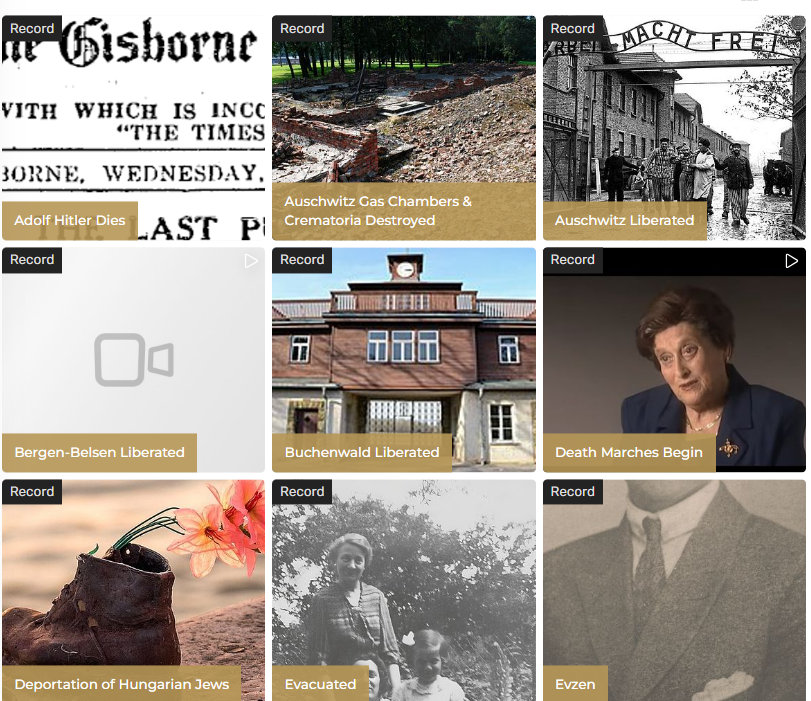
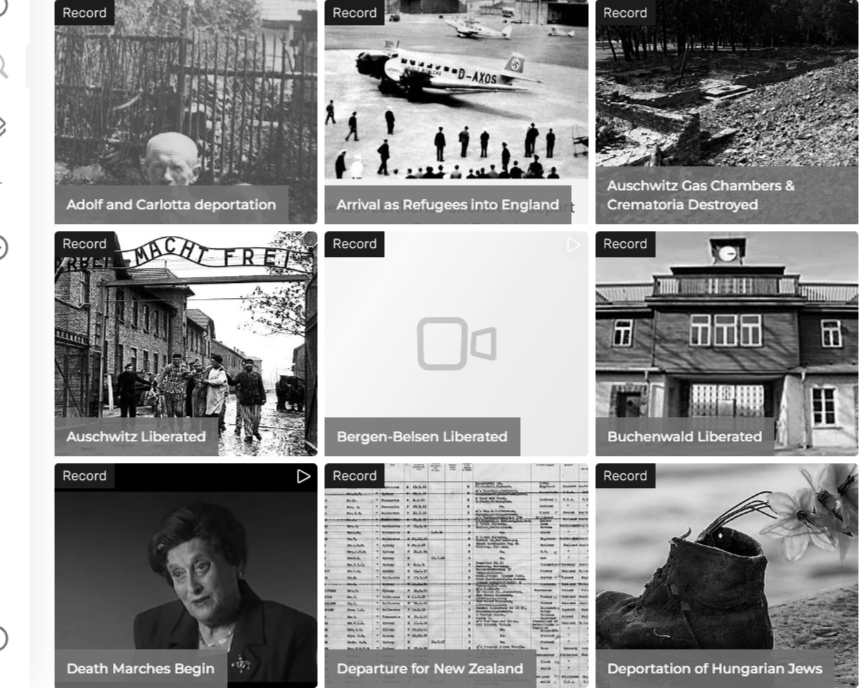
‘Records’: Individual pieces of information with locations that detail parts of a survivor or refugee’s story.
‘Collection’: Multiple records pulled together to form the whole story and locations for a survivor or refugee.
‘Timeline’: Specific events and places of interest for the Holocaust in Europe or New Zealand.
‘Journey’: Follow along on the map, the location of a survivor or refugee.
This is also a tool for families to record their histories and preserve them for generations to come.
If your family is interested in creating a Legacies collection, please contact our Education Director, Kristopher Clancy, at educdirector@holocaustcentre.org.nz
Mapping survivor journeys to New Zealand