
What was the Holocaust?
The big picture
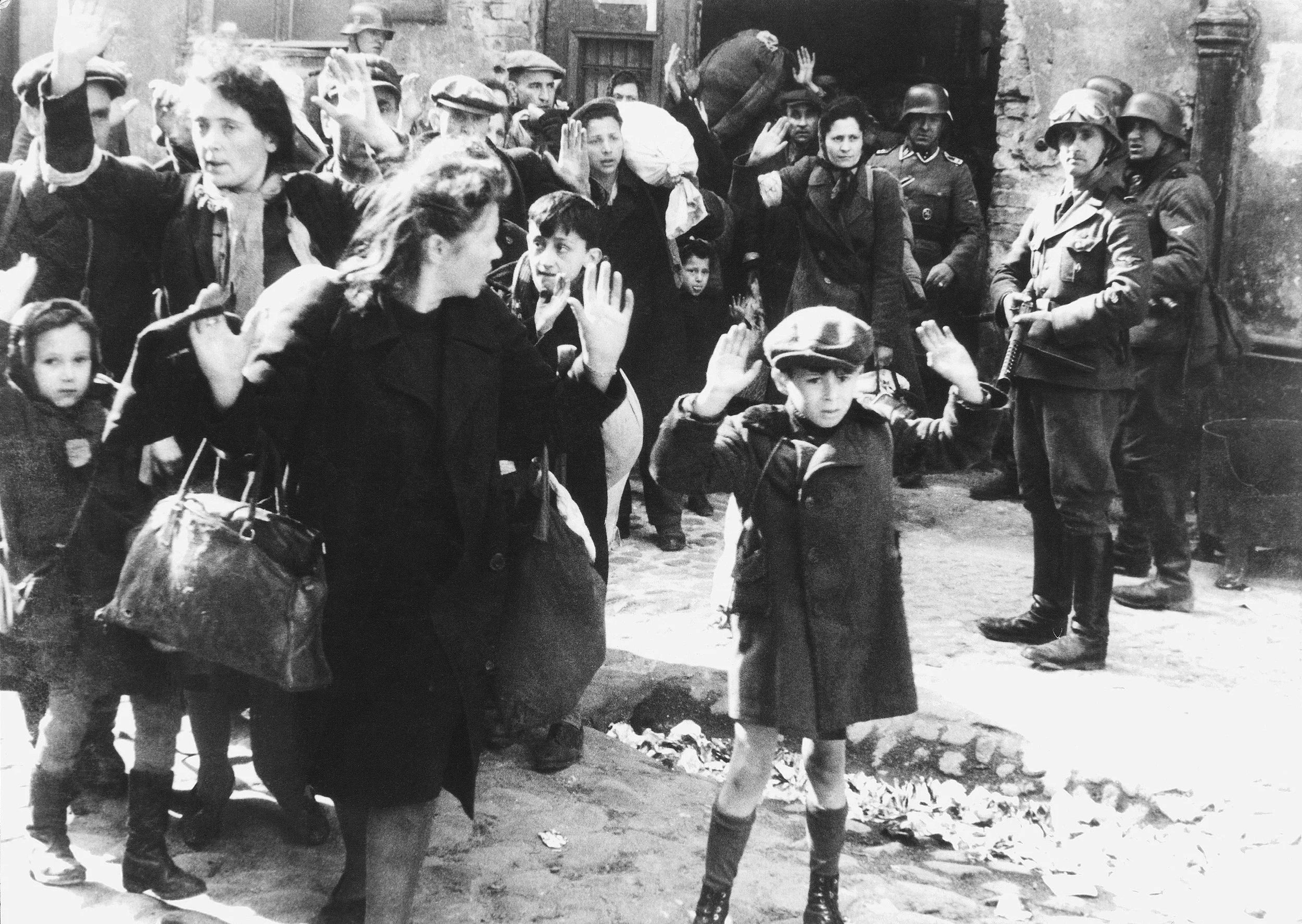
The Holocaust was the systematic, state-sponsored murder of six million Jews by Nazi Germany and its collaborators. It was a deliberate process of escalating persecution that shifted from the removal of basic rights to mass extermination, leaving a legacy that remains globally significant today.
A systematic genocide
The Holocaust refers to the genocide of six million Jews carried out by Nazi Germany and its allies between 1933 and 1945. The term encompasses a calculated escalation from disenfranchisement to discrimination, persecution and, finally, extermination.
This process reached its deadliest point with the Final Solution and the establishment of unprecedented extermination camps, such as Chełmno, Bełżec, Sobibor, Treblinka, Majdanek, and Auschwitz-Birkenau.
Driven by ideology
The Holocaust was a deliberate attempt to exterminate the Jewish people. This genocide was defined by antisemitic ideology, state-sponsored propaganda, and discriminatory legislation, culminating in the systemic implementation of unprecedented extermination techniques
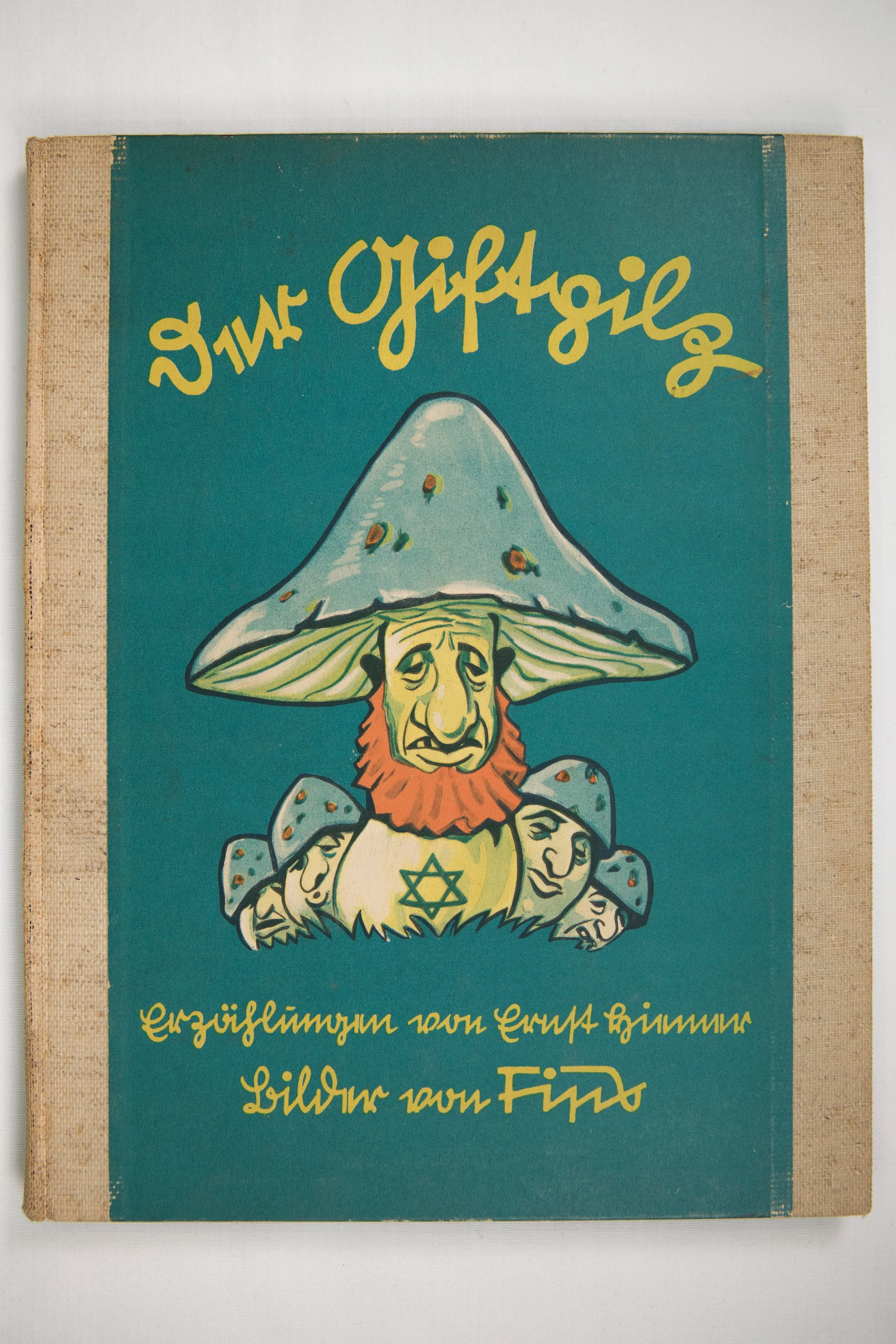
An antisemitic book of Nazi propaganda, Der Giftpilz ('The Poisonous Mushroom').
The broader context of persecution
The Holocaust did not happen in isolation, and many other groups were also persecuted through dedicated measures. Some, such as the Roma people and those with disabilities, were targeted for extermination alongside the Jews. Many others were oppressed by the Nazis on the basis of their ethnicity, political ideas, religious beliefs, or sexual orientation.
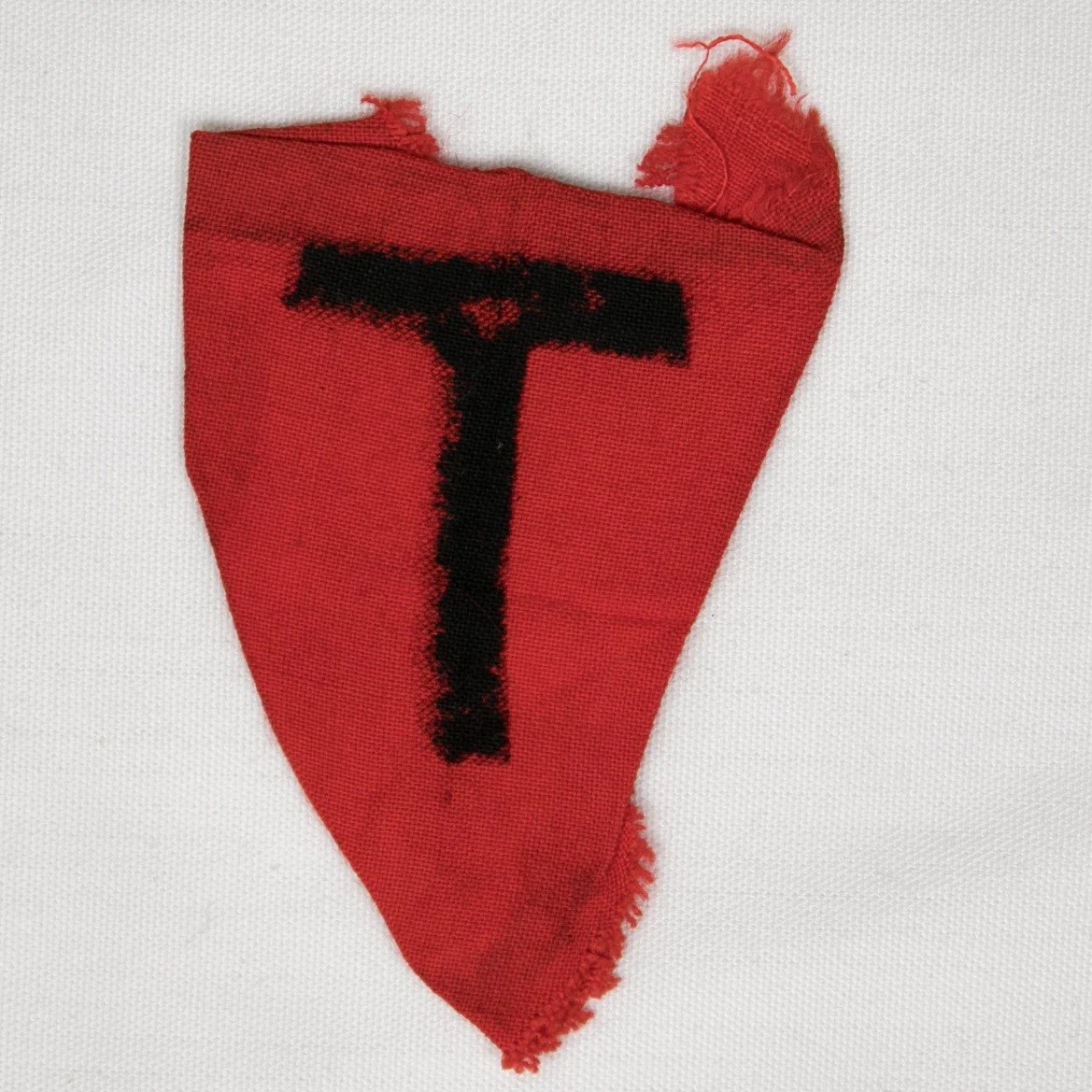
Czech political prisoner badge.
A universal legacy
Understood in this broader context, the Holocaust represents both a distinctive and unique historical event. It is a tragedy with complex legacies and universal relevance that holds ongoing significance for the history of humanity.
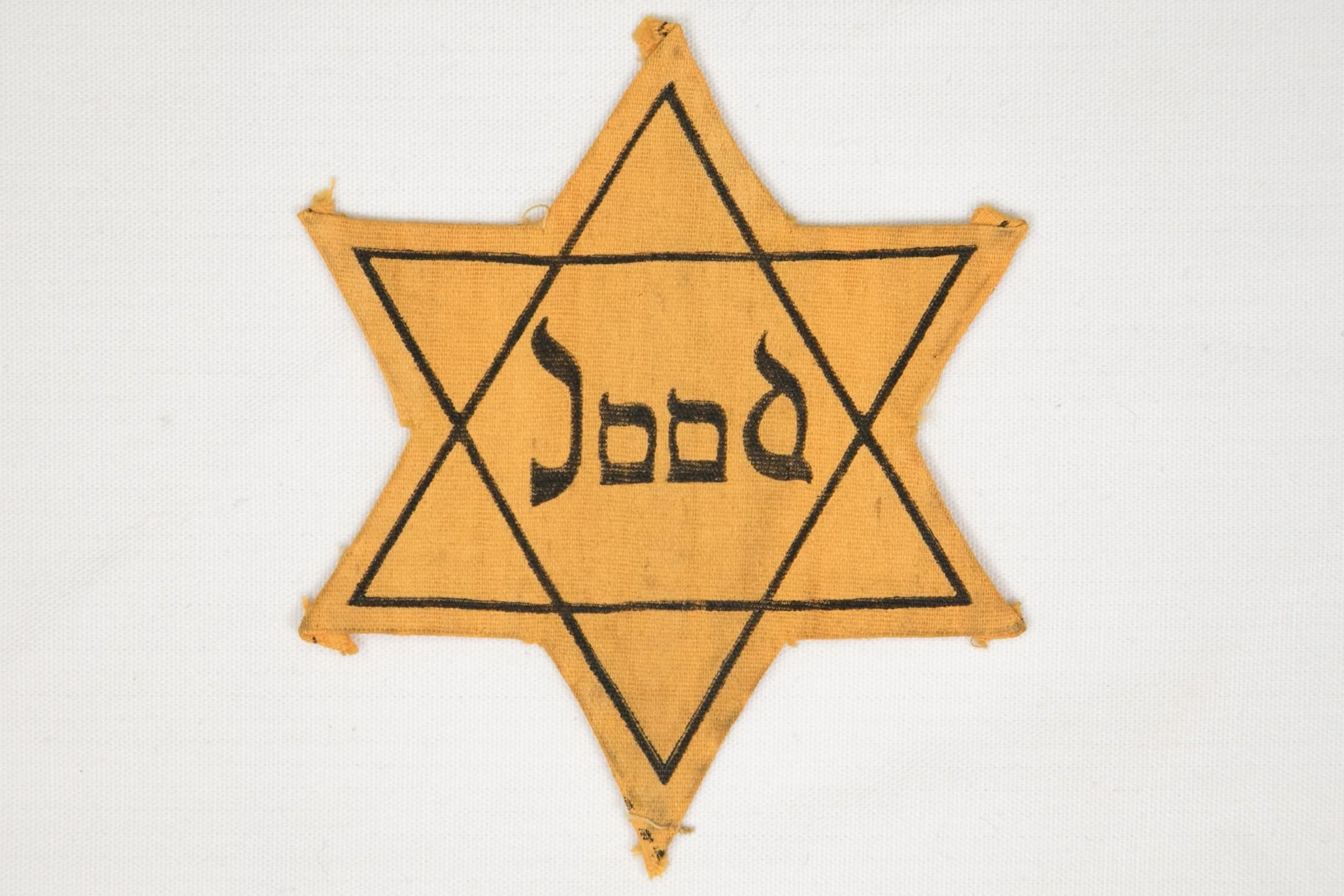
‘Jood’ star badge that the Nazi regime forced Jews in the Netherlands to wear.
“Not all victims were Jewish, but all Jews were victims”
A note on safety
We focus on human stories and facts rather than graphic imagery. If you find any of this information overwhelming, take a break and talk to a teacher or a trusted adult.