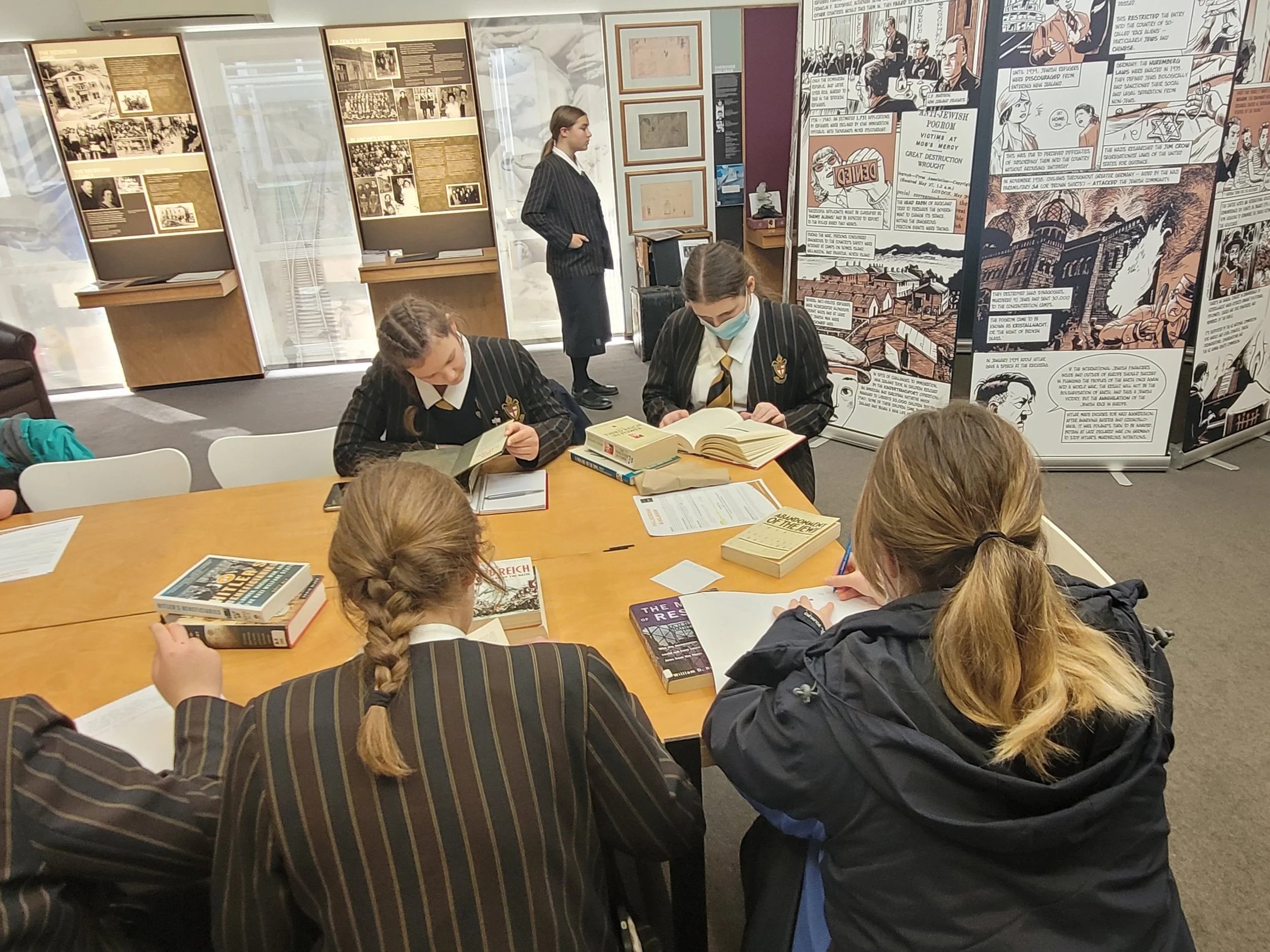
School programmes and curriculum links
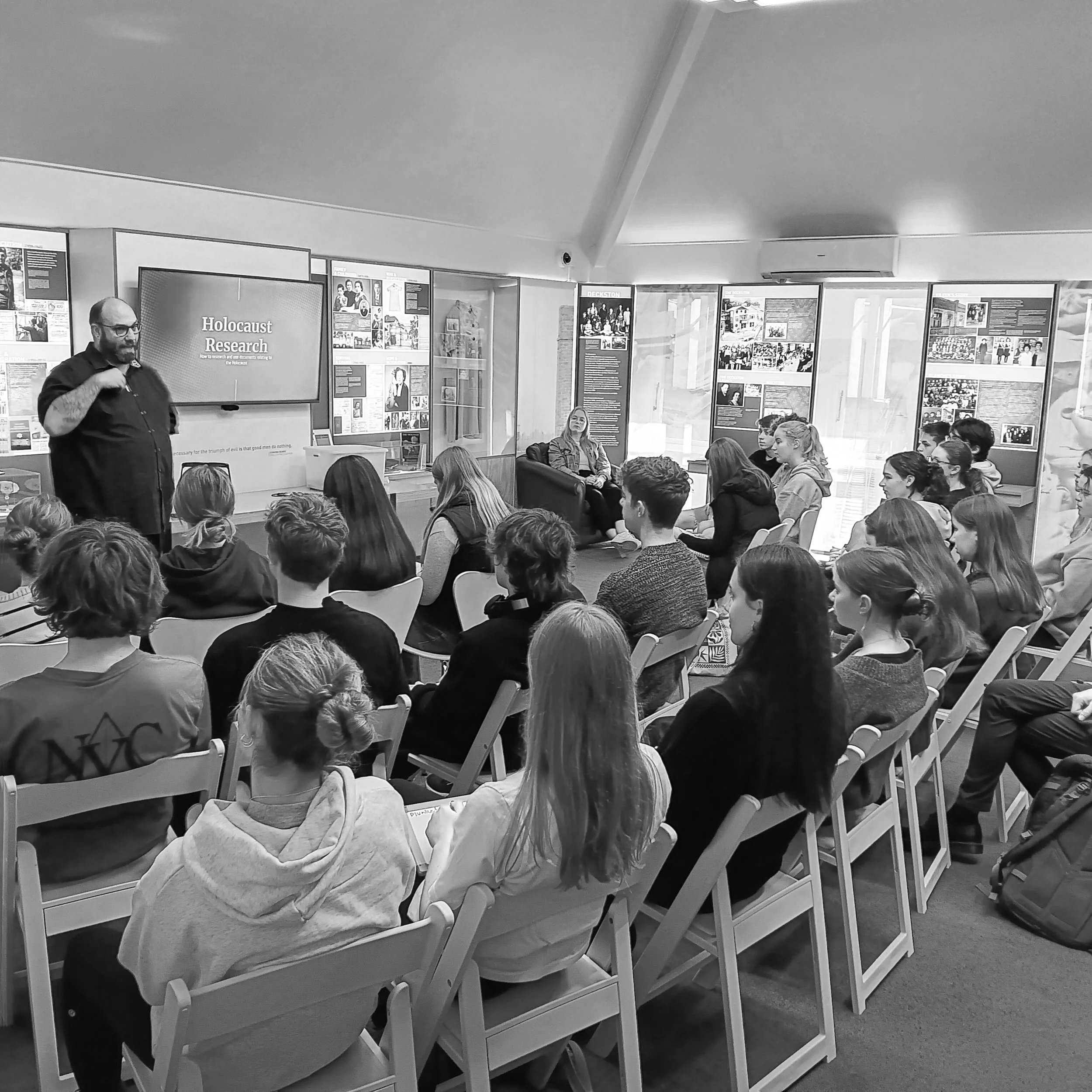
1. Judaism and pre-war Jewish life
About the programme: This module serves as a foundation programme to introduce students to Jews and Judaism. It is specifically designed for students who have little to no prior exposure to, or knowledge of, the Jewish faith and its core tenets.
By exploring Jewish life before the Holocaust, students learn about both the religious and cultural development of European Jewry. In relation to the Holocaust itself, the programme examines the classical antisemitic ideas that Nazi propaganda intentionally exploited to initiate the total separation of Jewish people from mainstream society and the subsequent destruction of Jewish life across Europe.
Topics: What do Jews believe, what are traditional practices, and how did Jewish life look before the Holocaust.
Cost: $8.50 + GST per student (Centre visit).
Duration: 2.5 hours (This includes an immersive tour of the synagogue to see ritual objects and architectural features firsthand).
Learning outcomes
Gain a respectful and accurate understanding of key Jewish tenets, religious movements, and aspects of cultural identity.
Recognise the vibrancy of pre-war Jewish life in Europe and the extent of Jewish contribution to Western society.
Identify the origins of classical antisemitic tropes and how they were weaponised by the Nazi party.
-
Understand how individuals, groups, and institutions work to promote social justice and human rights.
-
Understand how conflicts can arise from different cultural beliefs and ideas and be addressed in different ways with differing outcomes.
Understand how communities and nations meet their responsibilities and exercise their rights in local, national, and global contexts
-
Understand how people’s perceptions of and interactions with natural and cultural environments differ and have changed over time.
-
Understand how ideologies shape society and that individuals and groups respond differently to these beliefs.
-
Understand how people’s diverse values and perceptions influence the environmental, social, and economic decisions and responses that they make.
-
1.1. Describe the purpose of a sacred text within a religious tradition.
1.2. Describe a significant development within a religious tradition.
1.4. Describe key beliefs of a religious tradition.
-
2.1. Explain a significant theme in a sacred text within a religious tradition.
2.2. Explain the changes in an expression(s) of a religious tradition.
2.3. Explain how a contemporary social action derives from the ethical principles of a religious tradition.
-
3.1. Analyse the meanings in a sacred text within a religious tradition.
3.2. Analyse a religious tradition(s) in Aotearoa New Zealand.
3.3. Analyse the response of a religious tradition to a contemporary ethical issue.
3.4. Analyse the key beliefs of a religious tradition and a secular world view in relation to ultimate questions.
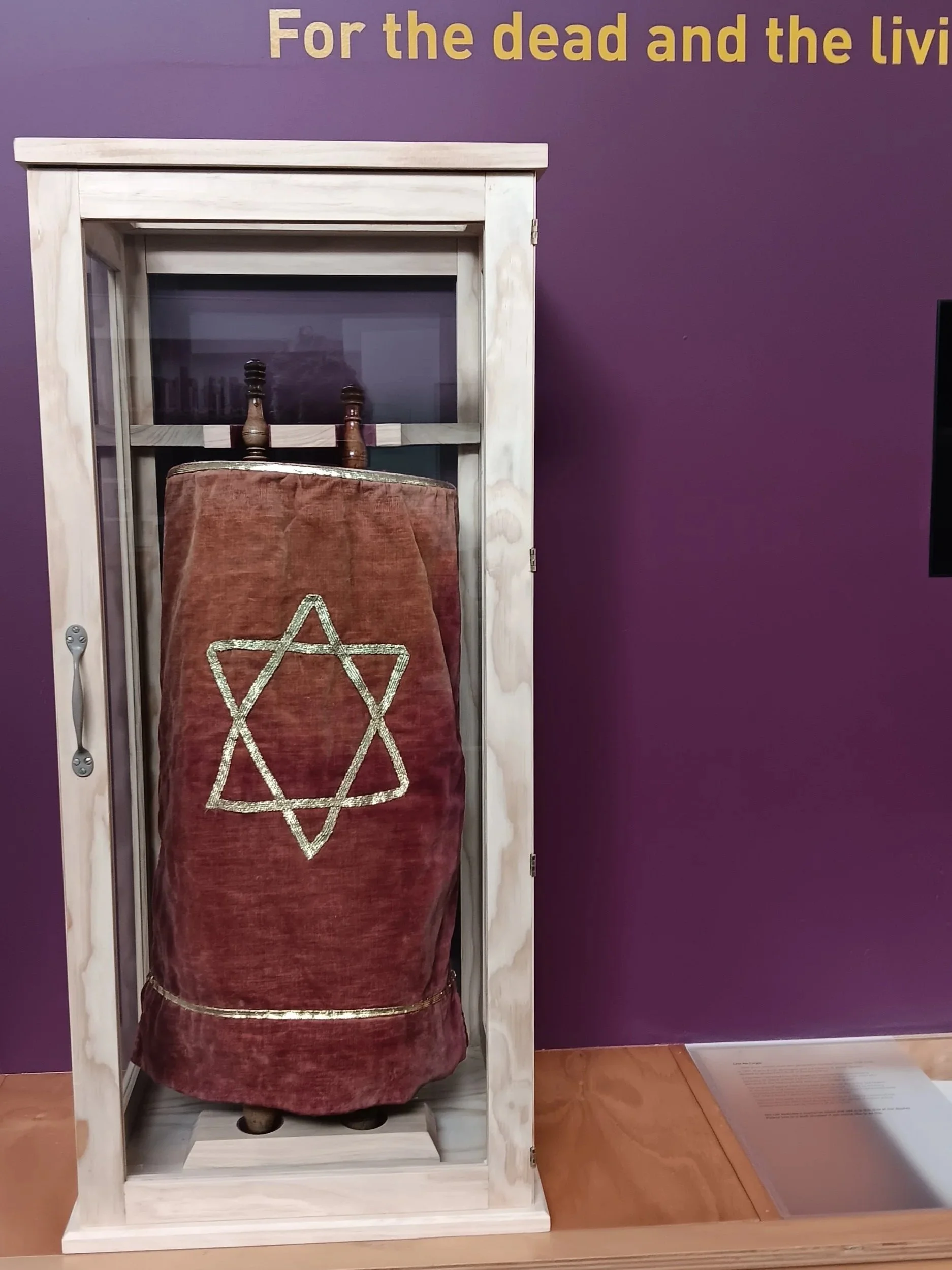
Rescued from Poland in the 1930s and on display in the Centre, this Torah scroll stands as an enduring symbol of faith, resilience, and pre-war Jewish life.
2. Understanding the Holocaust
About the programme: This programme gives students a thorough understanding of the complex socio-political machinations behind the Holocaust. Students trace the chronological cycle of the tragedy, beginning with the post-World War I climate, the global economic collapse of 1929, and the rise of Nazism through the 1920s and 1930s. The module places these developments in direct relation to both classical and modern variants of antisemitism.
Throughout the session, participants examine how the Nazi regime utilized legal and state frameworks to systematically discriminate against Jews, Roma and Sinti, Communists, and other groups deemed "undesirable." By analysing these historical events, students learn to make critical connections between mitigating socio-economic factors, the strategic use of scapegoating, and the subsequent state-sanctioned persecution carried out between 1939 and 1945.
Topics: What is the Holocaust, power and authority - the rise of Nazism, and the significance of the Holocaust.
Cost: $8.50 + GST per student (Centre visit).
Duration: 2 hours (optional 30-min Judaism/Synagogue add-on).
Learning outcomes
A core component of the programme focuses on empowering students to identify the distinct, escalating stages of persecution required to carry out a genocide and implement the “Final Solution”.
The eight stages of genocide:
Classification - race laws, propaganda, and education used to divide society.
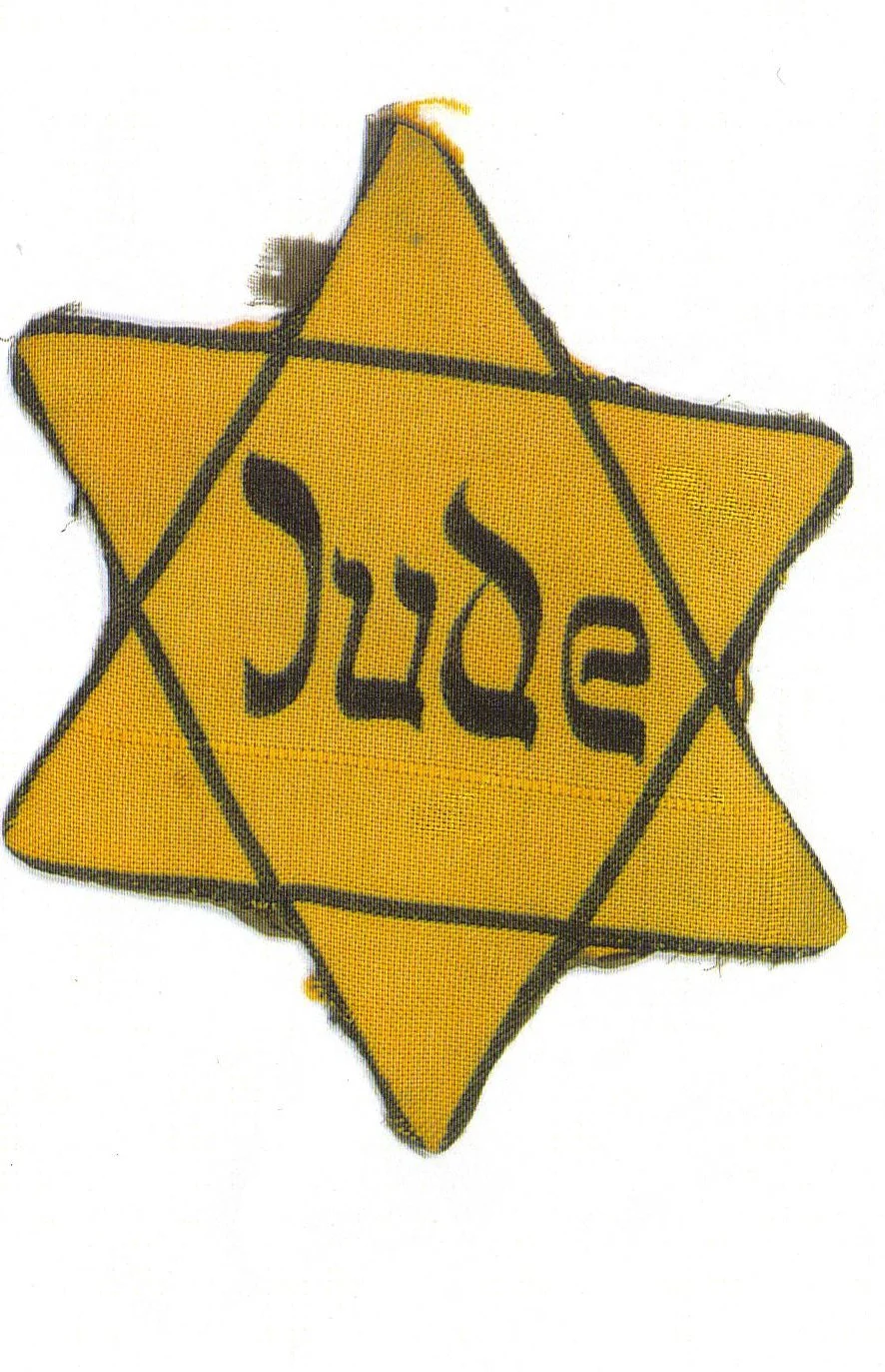
Symbolisation - classic symbol of the Star of David to mark Jews to separate them from society.
Dehumanisation - Hate speech, vilification, and attacks on civil rights continue dividing society.
Organisation - Nazis begin developing systems within which they can remove Jews from society (laws, economic boycotts, intimidation, etc).
Polarisation - the "line in the sand", creates an us vs them mentality amongst the people.
Preparation - Governmental planning to begin the mass murder of people.
Extermination - Einsatzgruppen and development of extermination camps.
Denial - Destruction of documents and camps as the war draws to an end; built into the nature of the Holocaust from the beginning.
Specific learning outcomes:
Deconstruct the eight stages of genocide.
Analyse the role of propaganda and state-sanctioned discrimination in a 20th-century context.
Understand the logistical and psychological implementation of the Holocaust.
-
Understand how individuals, groups, and institutions work to promote social justice and human rights.
-
Understand how the causes and consequences of past events that are of significance to New Zealanders shape the lives of people and society.
-
Understand how, as a result of scarcity, consumers, producers, and government make choices that affect New Zealand society.
-
Understand how conflicts can arise from different cultural beliefs and ideas and be addressed in different ways with differing outcomes.
-
Understand how ideologies shape society and that individuals and groups respond differently to these beliefs.
-
Understand how people’s diverse values and perceptions influence the environmental, social, and economic decisions and responses that they make.
3. Resistance, rebellion and righteousness
About the programme: One of the most persistent misconceptions surrounding the Holocaust is the myth that there was no active resistance against Nazi aggression. This programme dispels that illusion of passivity - a false narrative originally spread by the Nazi regime itself - by exposing students to the diverse and profound ways in which Jewish communities and European citizens resisted and rebelled between 1933 and 1945.
Students will explore how resistance manifested in both passive and active forms to protect targeted populations from the atrocities of the camps. The module highlights coordinated underground movements, such as partisan groups and the French Maquis, alongside pivotal historical events like the Warsaw Ghetto Uprising against Nazi deportations.
Additionally, the session focuses on the "Righteous Among the Nations" who risked everything to shelter and rescue Jewish communities from Nazi terrorism. Students will examine both state-level interventions, such as the collective actions of the Kingdom of Denmark and the Kingdom of Bulgaria, and the courageous choices of individuals, including Irena Sendler, Reverend Bruno Reynders, and Miep Gies. Ultimately, learning that resistance took many shapes and that standing up against antisemitism was possible even under total totalitarian control.
Topics: Resistance movements (Jewish and non-Jewish resistance, violent and non-violent fighting back against the Nazis), rebellion (internal German rebellion movements against the Nazis), and righteousness (helping your fellow person against Nazi persecution).
Cost: $8.50 + GST per student (Centre visit).
Duration: 2 hours (optional 30-min Judaism/Synagogue add-on).
-
Understand how individuals, groups, and institutions work to promote social justice and human rights.
Understand how cultures adapt and change and that this has consequences for society.
-
Understand how the causes and consequences of past events that are of significance to New Zealanders shape the lives of people and society.
-
Understand how conflicts can arise from different cultural beliefs and ideas and be addressed in different ways with differing outcomes.
-
Understand how historical forces and movements have influenced the causes and consequences of events of significance to New Zealanders.
-
Understand how policy changes are influenced by and impact on the rights, roles, and responsibilities of individuals and communities.
Understand how ideologies shape society and that individuals and groups respond differently to these beliefs.
-
Understand how people’s diverse values and perceptions influence the environmental, social, and economic decisions and responses that they make.
Learning outcomes
Deconstruct historical myths: Identify and challenge common misconceptions regarding the alleged passivity of victims during the Holocaust.
Distinguish forms of resistance: Recognise the critical differences and shared goals between active armed rebellion and passive, humanitarian resistance.
Analyse collective and individual rescue: Evaluate how both sovereign nations and brave individuals worked strategically to shelter communities and disrupt Nazi terror.
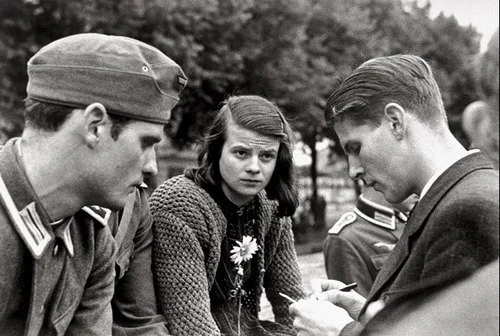
Sophie Scholl and other members of the White Rose (Weiße Rose), a non-violent, intellectual resistance group based at the University of Munich during WWII.
4. Holocaust media and literature studies
About the programme: This module is designed to augment reading, literature, art, music, movies, poetry etc within the classroom by teaching students to critically examine texts through the dual lenses of the storyteller and the historian.
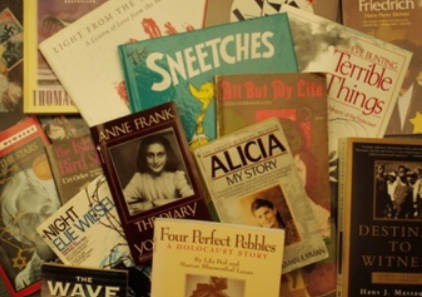
Participants should come to this programme already having read, or currently being in the midst of reading, a fiction or non-fiction text about the Holocaust. Guided by our educators, students will discover how literature has been adapted to deliver Holocaust education in a more accessible format, helping to "explain the inexplicable."
Topics: Using survivor testimony (diaries, memoirs, poetry), as well as fiction, music, art and historical history to understand the Holocaust, examining historical accuracy and author’s perspective, and the depiction of the Holocaust in film and testimony.
Cost: $8.50 + GST per student (Centre visit).
Learning outcomes:
How to examine the events that occurred through the lens of the author as well as understanding the life-long impact these events had on the future development of the author (in non-fiction literature).
Through historical fiction accounts of the Holocaust, learn to establish a line of reasoning with author intent to explain the atrocities.
Key to understanding historical fiction: learn to establish historical fact from the author’s use of a fictional story to drive the understanding.
-
Show a developed understanding of how texts are shaped for different purposes and audiences.
Show a developed understanding of ideas within, across, and beyond texts.
Integrate sources of information, processes, and strategies purposefully and confidently to identify, form, and express increasingly sophisticated ideas.
Show a developed understanding of how to shape texts for different audiences and purposes.
Select and use a range of language features appropriately for a variety of effects.
-
Level 6 History
Understand how the causes and consequences of past events that are of significance to New Zealanders shape the lives of people and society.
Level 7 History
Understand how the processes that shape natural and cultural environments change over time, vary in scale and from place to place, and create spatial patterns.
Understand how people’s perceptions of and interactions with natural and cultural environments differ and have changed over time.
Level 8 History
Understand how interacting processes shape natural and cultural environments, occur at different rates and on different scales, and create spatial variations.
5. Liberation to new life: Migration to New Zealand
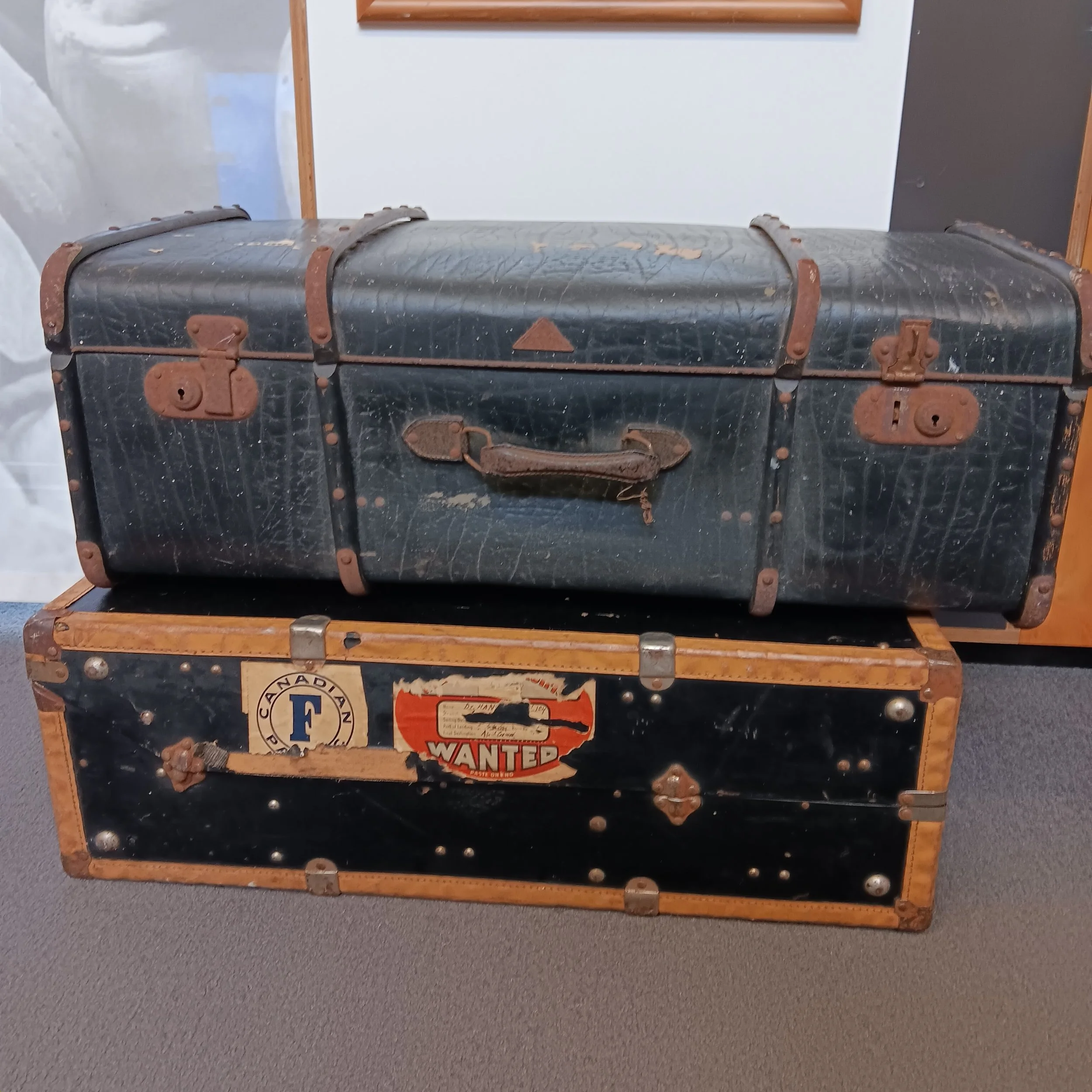
About the programme: This programme explores the enduring legacy of the Holocaust by focusing on the experiences of survivors who subsequently migrated to New Zealand. Beginning with Liberation on May 8, 1945, students examine the immediate response of the Allied forces and various global governments to the massive humanitarian refugee crisis created by the second world war.
Students trace the migratory journey, tracking the transition from European displaced persons camps to permanent settlement in New Zealand. Through this narrative, participants learn about the unique cultural setbacks, societal assimilation hurdles, and structural challenges these new immigrants faced upon landing. The module also highlights the long-term contributions these individuals made to New Zealand society, as well as what life looks like today for the descendants of these refugees.
Topics: Liberation, plus journey, life and contribution to New Zealand
Cost: $8.50 + GST per student (Centre visit).
Duration: 2 hours (optional 30-min Judaism/Synagogue add-on).
Learning outcomes
Learn the after effects of the Holocaust, from Liberation and continued antisemitic attacks against Jews in Europe to settlement and new life in New Zealand.
Be able to identify the immigrant journey to New Zealand, assimilation and contribution to New Zealand society.
What life is like today for descendants of these refugees in New Zealand.
-
Understand how cultures adapt and change and that this has consequences for society.
-
Understand how the causes and consequences of past events that are of significance to New Zealanders shape the lives of people and society.
-
Understand how people interact with natural and cultural environments and that this interaction has consequences.
-
Understand how conflicts can arise from different cultural beliefs and ideas and be addressed in different ways with differing outcomes.
-
Understand how historical forces and movements have influenced the causes and consequences of events of significance to New Zealanders.
Understand how people’s interpretations of events that are of significance to New Zealanders differ.
-
Understand how government policies and contemporary issues interact.
-
Understand how policy changes are influenced by and impact on the rights, roles, and responsibilities of individuals and communities.
-
Understand that the causes, consequences, and explanations of historical events that are of significance to New Zealanders are complex and how and why they are contested.
Understand how trends over time reflect social, economic, and political forces.
-
Understand how people’s diverse values and perceptions influence the environmental, social, and economic decisions and responses that they make.
-
Understand how the nature and size of the New Zealand economy is influenced by interacting internal and external factors.
6. Holocaust research
About the programme: This module introduces students to the core fundamentals of Holocaust research and design methodology. During their time at the centre, students work alongside our educators to utilise both our physical library and digital resources for their research projects.
The programme teaches students how to critically identify key issues within the historiography of the Holocaust, including author bias and intent, Holocaust denial, and the historical conflation of general World War II events with the specific events of the Holocaust.
By the conclusion of the session, participants will have developed a solid foundation in the scholarship of Holocaust research. They will understand how to narrow their research focus to better comprehend the resources they find, and learn how to properly integrate these diverse sources into their presentations, papers, and projects.
Topics: Where to begin, gaining knowledge to avoid errors, using the knowledge effectively.
Cost: $8.50 + GST per student (Centre visit).
Duration: 2 hours (optional 30-min Judaism/Synagogue add-on).
Learning outcomes
Master the use of primary and secondary sources in a complex historical context.
Apply ethical research methods when dealing with testimonies and graphic evidence.
Produce a high-level historical inquiry that meets NCEA standard requirements.
-
Integrate sources of information, processes, and strategies purposefully and confidently to identify, form, and express increasingly sophisticated ideas.
Show a developed understanding of ideas within, across, and beyond texts.
-
Show a developed understanding of how to shape texts for different audiences and purposes.
Integrate sources of information, processes, and strategies purposefully and confidently to identify, form, and express increasingly sophisticated ideas.
Select, develop, and communicate connected ideas on a range of topics.
-
1.1/2.1. Carry out an investigation/inquiry of an historical event, or place, of significance to New Zealanders.
1.2. Demonstrate understanding of an historical event, or place, of significance to New Zealanders.
-
1.1/2.1. Carry out an investigation/inquiry of an historical event, or place, of significance to New Zealanders.
1.2. Demonstrate understanding of an historical event, or place, of significance to New Zealanders.
-
Examine/Analyse an historical event, or place, of significance to New Zealanders.
-
Interpret/Examine sources of an historical event of significance to New Zealanders.
-
Demonstrate/Interpret understanding of different perspectives of people in an historical event of significance to New Zealanders.
-
Describe/Examine/Analyse the causes and consequences of an historical event.
-
Describe/Examine how a significant historical event affected New Zealand society.
-
3.1. Research an historical event or place of significance to New Zealanders, using primary and secondary sources.
3.3. Analyse evidence relating to an historical event of significance to New Zealanders.
3.4. Analyse different perspectives of a contested event of significance to New Zealanders.
3.6. Analyse a significant historical trend and the force(s) that influenced it.