
Students
The big picture
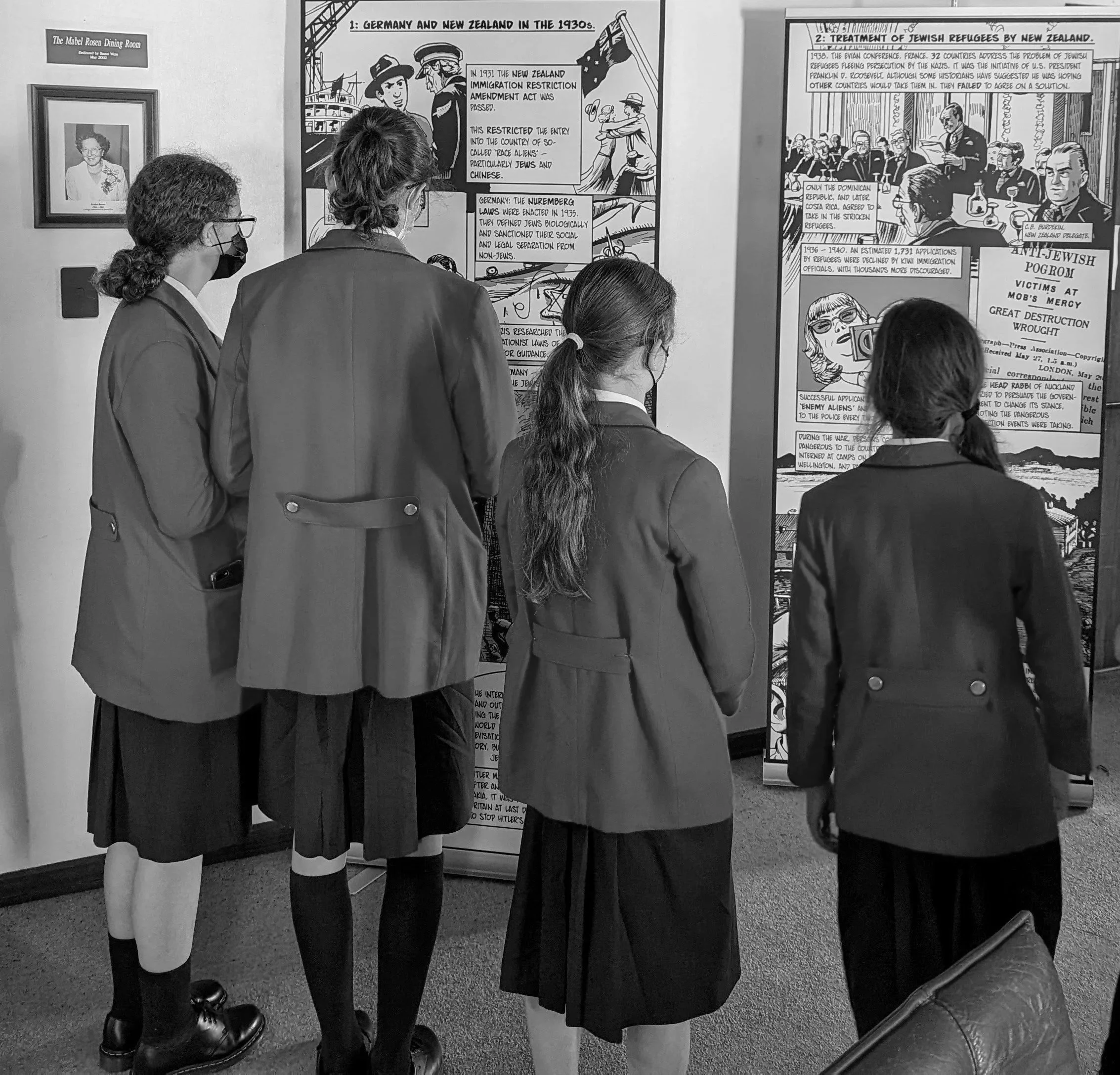
This section is your starting point for Holocaust history. You’ll find the Quick Facts, Survivor Stories from people who moved to New Zealand, and a timeline showing how the Holocaust impacted our country
The history of the Holocaust is a journey of human experience-from the darkest moments of the past to the inspiring resilience of those who survived. Whether you are working on a school project, preparing for assessments, or just curious, use the sections below to start your exploration.
1. New Zealand survivor testimonies
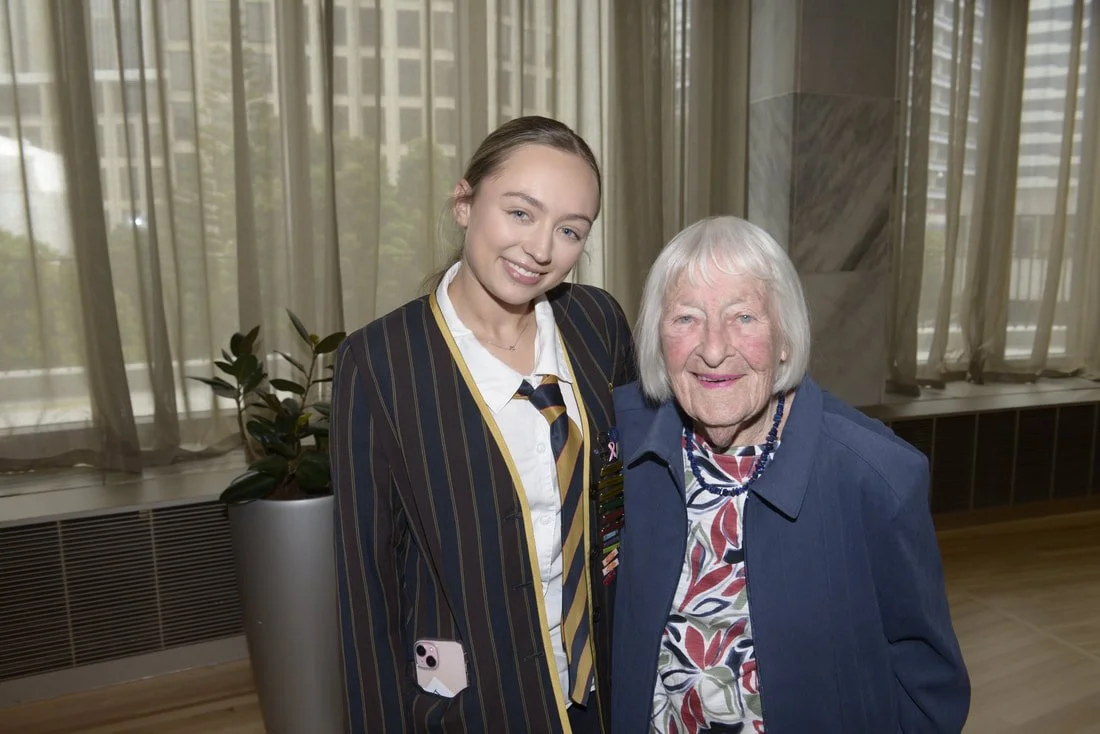
History is made of individual stories. Meet the people who lived through the Holocaust and eventually chose to make a new start in New Zealand.
Personal stories: Deep-dive profiles into the lives of survivors.
Interactive maps: Trace journeys across Europe and to the shores of New Zealand.
Video archives: Hear survivors speak in their own words about their memories and messages for the future.

2. New Zealand and the Holocaust
The Holocaust isn't just a European story; it is part of our national narrative too.
The New Zealand connection: A parallel timeline linking major events in Europe to the NZ government's response and the arrival of refugees.
Local impact: Discover how this legacy continues to shape our laws and values today.

3. What was the Holocaust?
The Holocaust refers to the genocide of six million Jews carried out by Nazi Germany and its allies between 1933 and 1945. This section elaborates on this and provides an essential overview of why certain groups were targeted and how the Nazi ideology led to the "Final Solution”.
4. Defining antisemitism
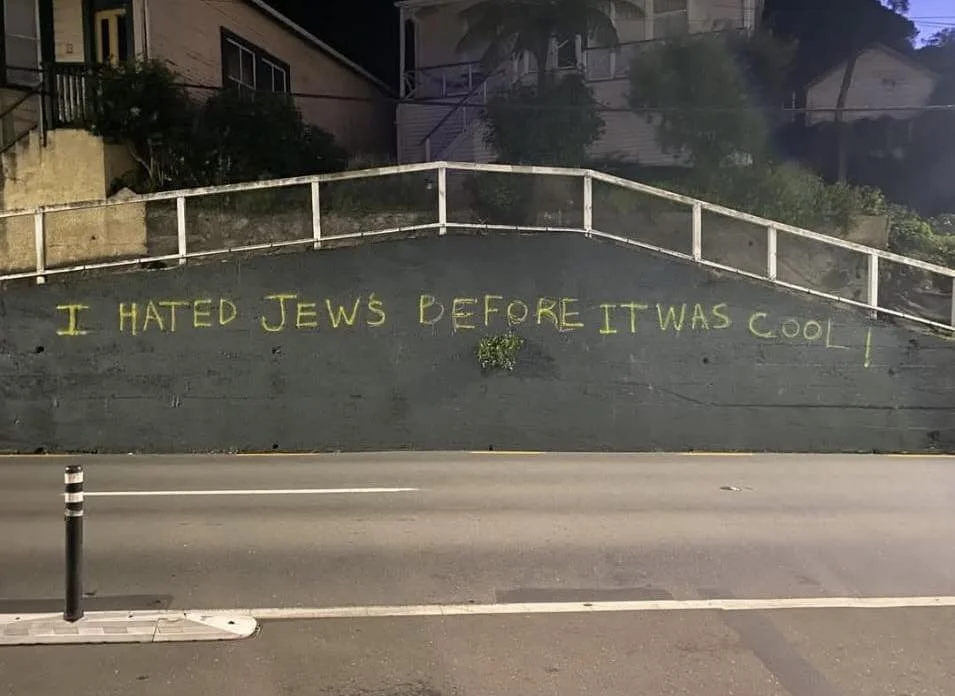
Antisemitism-prejudice or hatred against Jewish people-was the foundation of the Holocaust. This page explores where these ideas came from, how the Nazis used them to gain power, and why it remains vital for us to recognise and stand against antisemitism in our society today.

5. The Holocaust timeline
The Holocaust did not happen overnight; it was a process that unfolded in stages. This timeline maps the progression from the early removal of Jewish rights in 1933 to the mass murders in death camps and the eventual liberation in 1945.
6. Collection highlights
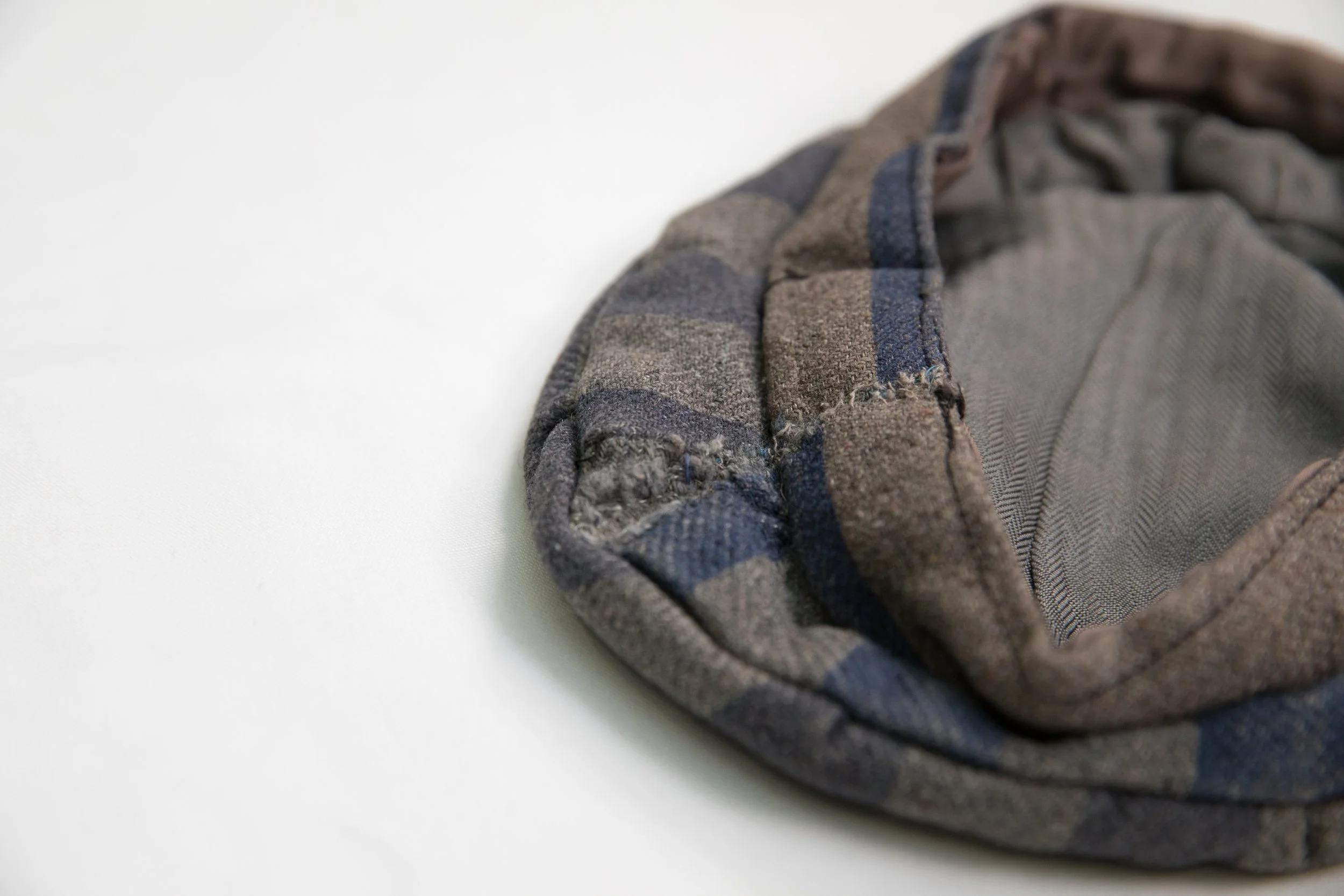
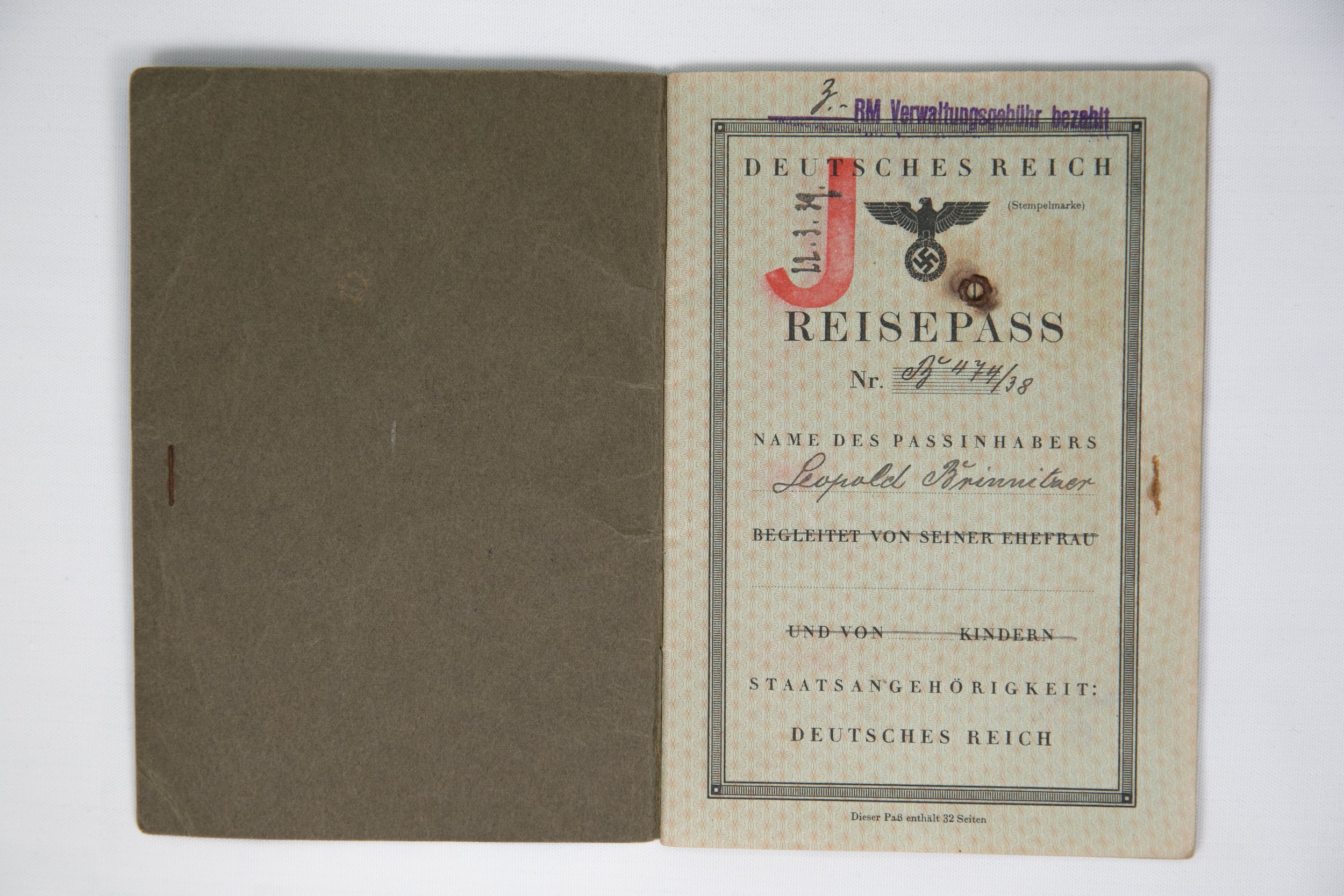
Our collection in Wellington contains the personal belongings, letters, and photographs of those who lived through the Holocaust and later emigrated to New Zealand. To provide vital historical context, we also preserve Nazi-era artifacts and documents as critical evidence. Explore these items to confront the realities of the past and see the real human stories behind the historical facts.
7. FAQs
Why did it happen? Who was involved? How many people were affected? We have gathered the most common questions asked by students and provided clear, accurate answers to help you with your research and understanding.
A note on safety
We focus on human stories and facts rather than graphic imagery. If you find any of this information overwhelming, take a break and talk to a teacher or a trusted adult.